2026-08-17 · Mark Ellison
What Influences Foundation Repair Pricing in North Texas
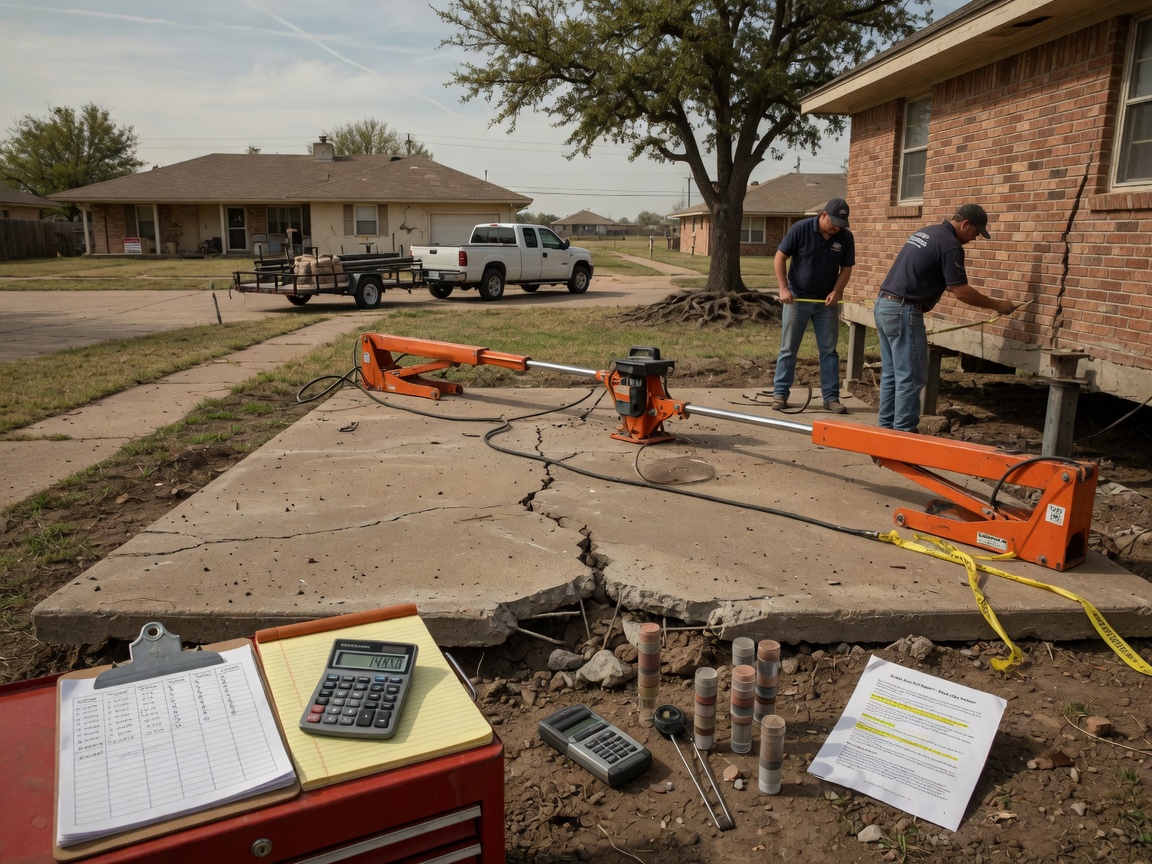
Foundation repair pricing in North Texas typically ranges from $4,000 to $12,000 for most residential jobs, with smaller crack fixes starting near $1,500 and full pier systems exceeding $15,000. These figures shift according to the home's location within Dallas, the severity of movement, and the chosen stabilization technique. Local clay soils expand and contract sharply with moisture changes, driving much of the variation seen across Uptown Dallas, Oak Lawn, and East Dallas properties.
Dallas Clay Soils and Moisture Fluctuations
Dallas sits on expansive clay that swells during wet periods and shrinks in dry spells, creating differential movement under slabs and pier-and-beam homes. This soil behavior directly raises repair costs because crews must install deeper piers or additional supports to reach stable strata. Properties near the Dallas Arboretum or in Lake Highlands often require longer piers due to deeper active zones, adding $2,000–$4,000 to standard bids. Homeowners can review how seasonal dry spells accelerate these issues in the linked article on Dallas clay soils. Accurate soil testing before work begins prevents underbidding and ensures the repair matches actual site conditions rather than generic assumptions.
Impact of Local Climate Patterns
The humid subtropical climate brings hot summers that dry surface soils quickly and mild winters that allow occasional heavy rains to saturate foundations. Sudden downpours, common in Deep Ellum and Bishop Arts District, can push already stressed slabs further out of level within weeks. These weather cycles influence pricing because repairs scheduled during peak summer heat may need extra moisture control steps, while post-rainfall jobs sometimes require temporary drainage fixes first. Crews factor in the time needed to monitor movement after a wet season, which can extend project timelines by 3–5 days. Readers interested in rainfall effects should see the related post on signs of foundation movement after heavy Texas rainfall.
Foundation Type and Home Age
Slab-on-grade homes built before 1980 in North Dallas frequently need different stabilization than newer pier-and-beam structures in Downtown Dallas. Older slabs often show wider cracks and greater settlement, requiring more piers or longer steel beams and increasing material costs by 20–30 percent. Crawl space homes may instead need interior supports or encapsulation to address ongoing moisture, shifting the price based on access and ventilation needs. The age of the home also affects permitting and engineering requirements, adding $300–$800 in plan fees for certain neighborhoods. Matching the repair method to the original construction prevents repeated work and keeps long-term ownership costs lower.
Scope of Damage and Chosen Repair Method
Minor settlement limited to one corner might be corrected with 4–6 push piers at $3,500–$6,000, while widespread wall cracks or chimney movement can push totals above $10,000 when wall anchors or carbon fiber straps become necessary. Larger homes in Reunion Tower or Klyde Warren Park areas often involve more linear footage of repair, directly multiplying labor and material expenses. The selected technique—whether mudjacking, polyjacking, or engineered pier systems—also changes pricing because each carries different equipment and warranty considerations. A thorough evaluation determines the least invasive option that still meets local soil demands.
Role of Professional Inspections and Engineered Plans
Every accurate price begins with a detailed foundation inspection that measures elevation differences, crack widths, and soil moisture at multiple points. These assessments, typically completed in one visit, reveal whether a simple epoxy injection suffices or if full engineered plans are required for permitting. Engineered repair plans add $500–$1,200 but prevent over- or under-repair by specifying exact pier depths and spacing. Scheduling an inspection during business hours allows owners to receive itemized estimates that break out labor, materials, and site-specific adjustments for their Dallas address.